
INFO
- Committente: Mango Italia S.r.L.
- Località: Roma (RM), Italia, via Nazionale
- Anno: 2023-2024
- Prestazione svolta:
- Raccolta documentale relativa all'immobile
- Progettazione esecutiva impianti meccanici
- Progettazione esecutiva impianti elettrici e speciali
- Progettazione esecutiva interventi strutturali
-
Direzione lavori
- Collaudi impiantistici e strutturali
- Pratiche edilizie (CILA e SCIA)
- Parere consultivo soprintendenza speciale archeologia belle arti e paesaggio di Roma
- Richiesta deroga art.65 D.lgs 81/08
- Pratica installazione insegne e pubblicità
- Attestato Prestazione Energetica (APE)
- Ex Legge 10/91 (D.Lgs. n. 192/05)
- Superficie di progetto: 450 mq






DESCRIZIONE INTERVENTO:
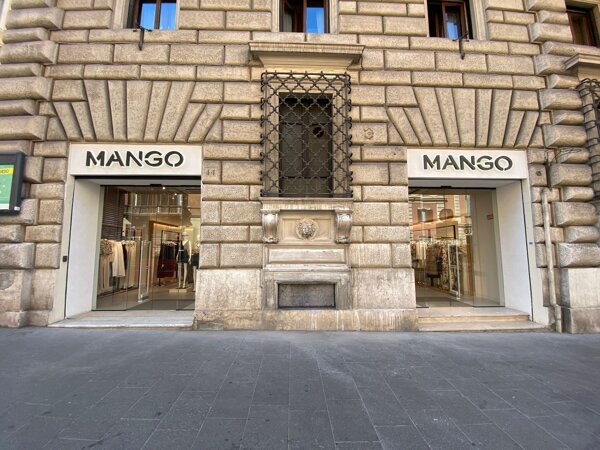
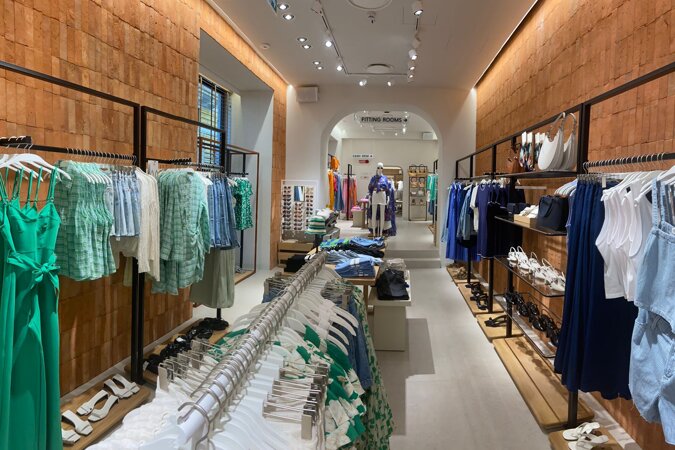
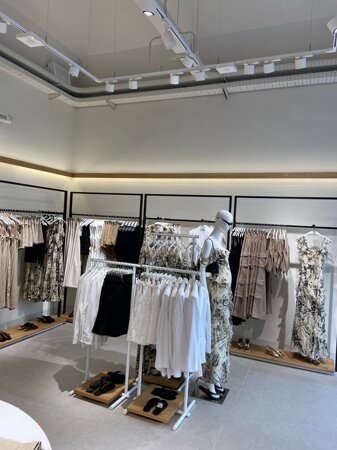
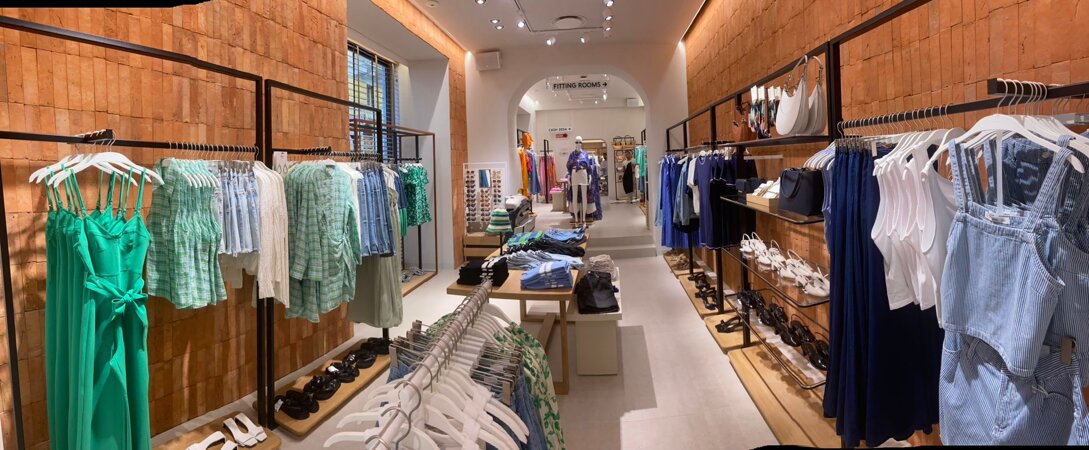
L'intervento in questione aveva l'obiettivo di valorizzazione del patrimonio immobiliare del sito. L'unità commerciale, chiusa ormai da anni, è stata rimodulata secondo le esigenze della committenza ed adeguata al rispetto della normativa vigente in termini igienico-sanitari, nonché di benessere microclimatico.
Durante le fasi di cantiere è stato necessario intervenire con rinforzi di tipo strutturale necessari a garantire la sicurezza degli occupanti preservando la storia dell'immobile e la sua qualità architettonica con l'utilizzo di materiali che non hanno alterato la sua natura.
Vista la centralità del contesto e la conformazione strutturale dell'immobile, la sfida tecnica ha avuto come linea guida quella di adottare soluzioni esteticamente gradevoli ed al contempo funzionali e rispettose dell'architettura stessa.
Un grande lavoro è stato svolto sotto il punto di vista autorizzativo e gestionale delle pratiche amministrative ed edilizie, in quanto sono stati avviati degli scambi interlocutori con le diverse figure istituzionali per la preservazione del bene in questione, rispettando gli interessi del committente e della città stessa di Roma.
La ristrutturazione dell'immobile ha comportato inoltre un miglioramento dell'efficienza energetica, con l'installazione di sistemi attivi e passivi utili al contenimento dei consumi mediante sistemi intelligenti di gestione e monitoraggio.